KKCG Invests in Modern Energy and the Development of Flexibility Through MND
Energy markets across Europe are undergoing a major transformation. As the share of renewable energy grows and conventional power plants are gradually phased out, energy flexibility is becoming increasingly important. This refers to the ability to efficiently manage electricity generation, consumption, and storage. Its economic benefits, role in maintaining grid stability, and emerging investment opportunities were among the key topics discussed at the MND Energy Update conference in November. MND, part of the KKCG investment group, also presented its plans to expand battery energy storage capacity in the Czech Republic and Germany.
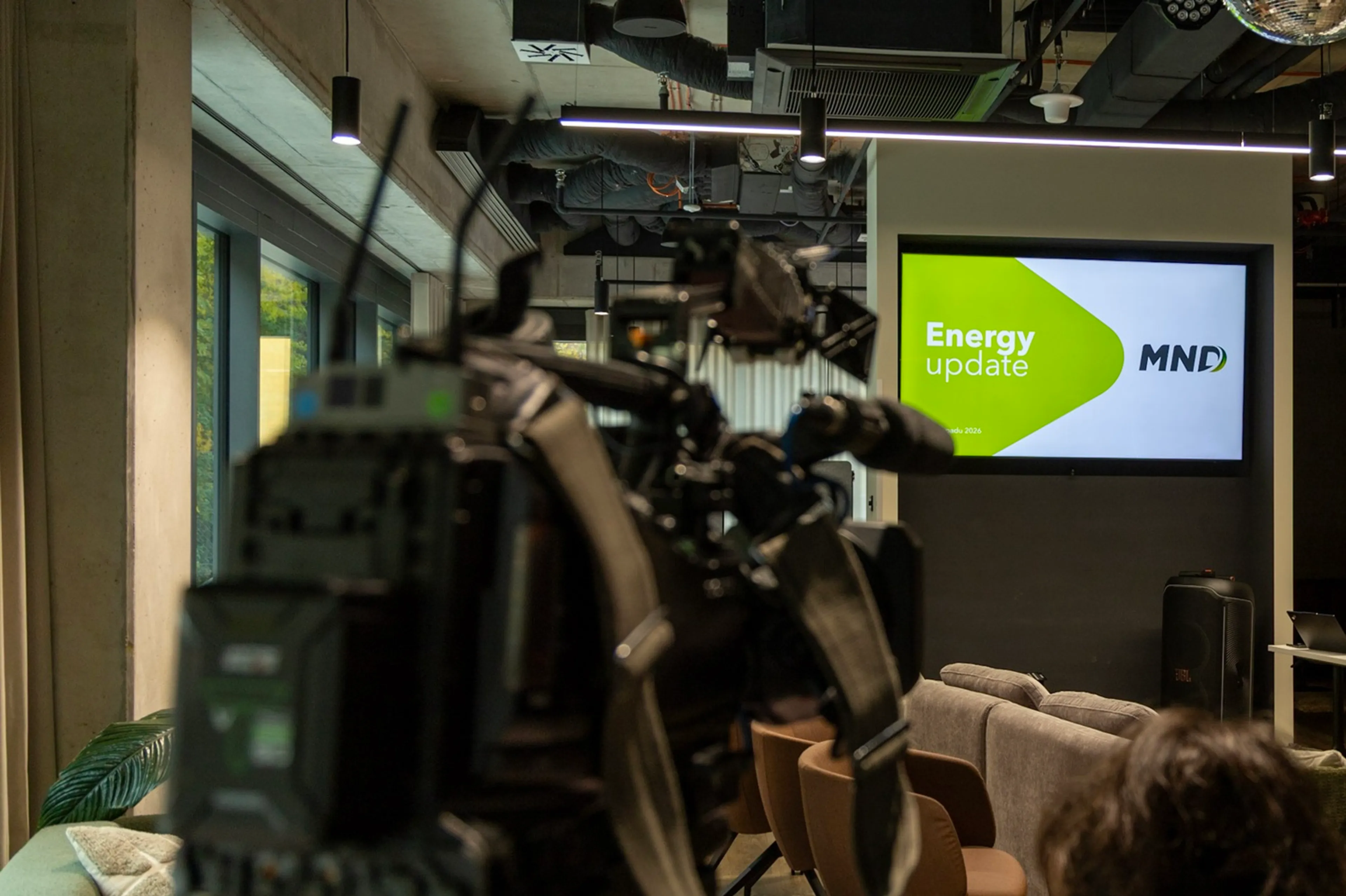

Flexibility is becoming an essential component of modern energy systems. It enables electricity to be stored when supply exceeds demand, used during periods of higher demand, or managed through adjustments in consumption based on current market conditions. Together with the increasing integration of European energy markets, flexibility contributes to more efficient resource utilization, reduced price volatility, and lower costs associated with balancing electricity grids.
The growing importance of flexibility is also reflected in developments across individual European markets. In Bulgaria, for example, MND reports that the deployment of battery energy storage systems (BESS) with a total power output of 5 GW has contributed to a noticeable decline in electricity prices during peak price hours. Similar effects can be expected in other markets once battery storage reaches a sufficient level of installed capacity.
What Are the Economic Benefits of Energy Flexibility?
The potential of flexibility is also demonstrated by data from the Czech energy market. According to statistics from the Czech transmission system operator ČEPS, the average price of reserving upward balancing capacity fell by 58% in the first ten months of 2026 compared with the 2025 average. This decline has been driven primarily by growing competition among flexibility providers and the opening of a shared European balancing energy market.
Based on MND's preliminary estimates, which draw on German academic studies and empirical data, wider adoption of flexibility could generate annual savings of approximately EUR 1.2 to 1.6 billion for the Czech energy system. These savings would primarily result from lower balancing service costs, reduced price volatility, lower wholesale electricity prices, and more efficient utilization of grid infrastructure.
How Is MND Investing in Energy Flexibility?
MND currently operates battery energy storage systems with a combined power output of 26 MW and a storage capacity of 61 MWh. In 2027 and 2028, the company plans to commission additional facilities in the Czech Republic and Germany, representing approximately 140 MW of power output and 340 MWh of storage capacity.
Battery storage systems enable rapid responses to changes in electricity supply and demand, improve the efficiency of energy utilization, and support participation in grid balancing services. For MND, they represent an important investment area that brings together advanced energy technologies, data analytics, and energy trading.
What Does Flexibility Mean for the Future of European Energy?
The expansion of energy flexibility creates new opportunities not only for energy companies but also for industrial businesses. Through intelligent management of electricity generation, consumption, and storage, companies can optimize their energy costs and generate additional revenue from participating in energy markets.
However, flexibility alone cannot replace investment in new power generation capacity and grid infrastructure. As energy consultancy EGU emphasized at the MND Energy Update conference, battery storage can help meet short term peak power demand but cannot substitute for generation resources needed to ensure long term electricity supply. The economic viability of individual projects will also be a decisive factor in the further development of flexibility.
For KKCG, the development of energy flexibility through MND represents another opportunity to invest in Europe's evolving energy sector. The future of this sector will increasingly depend on combining conventional and renewable energy sources with battery storage technologies and intelligent energy management to ensure stable, efficient, and economically sustainable electricity systems.
Latest News
KKCG Continues Its Support for Ukraine
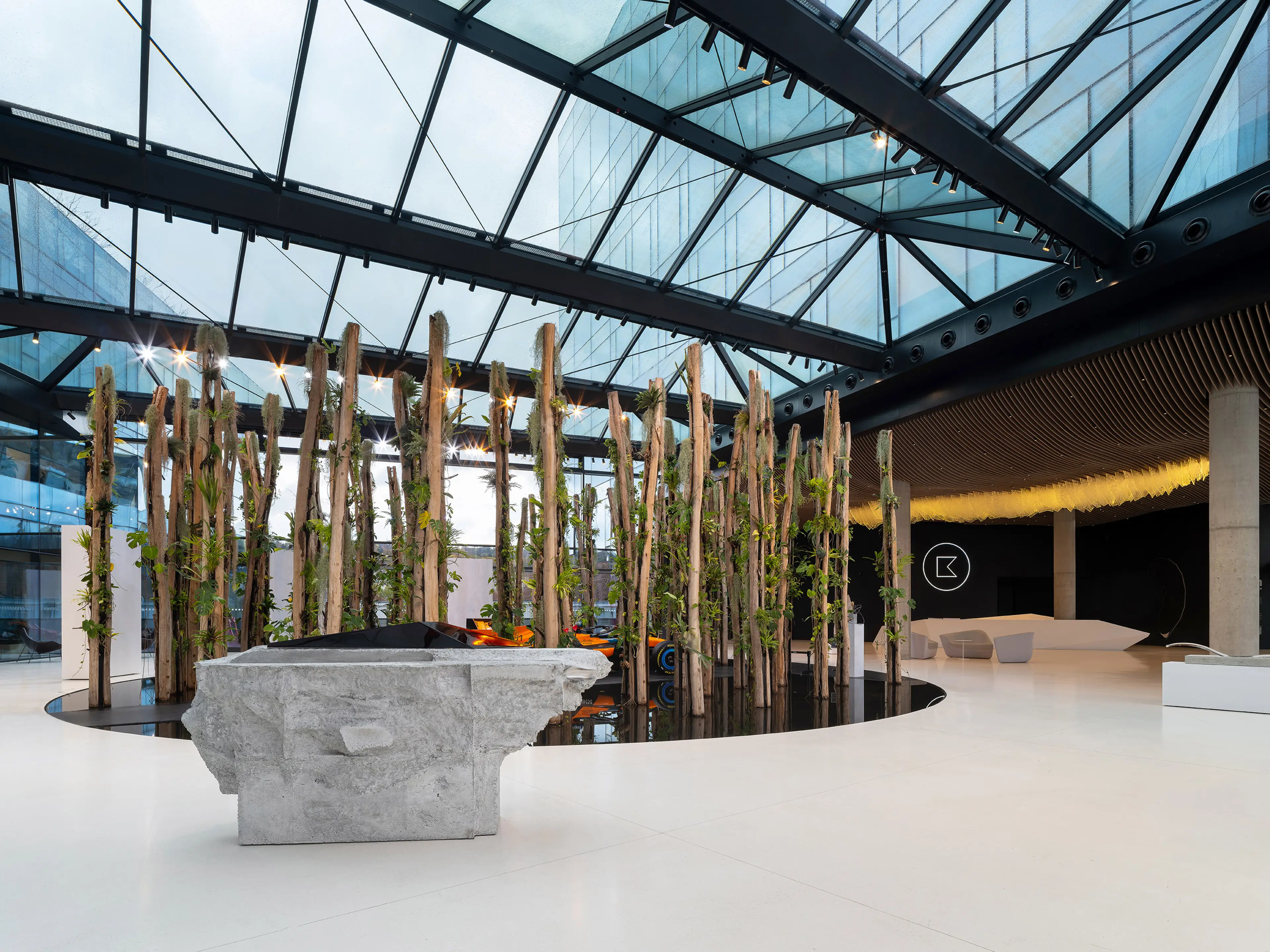
PRIME FAST Exhibition Bridges the Worlds of Formula 1 and Czech Art
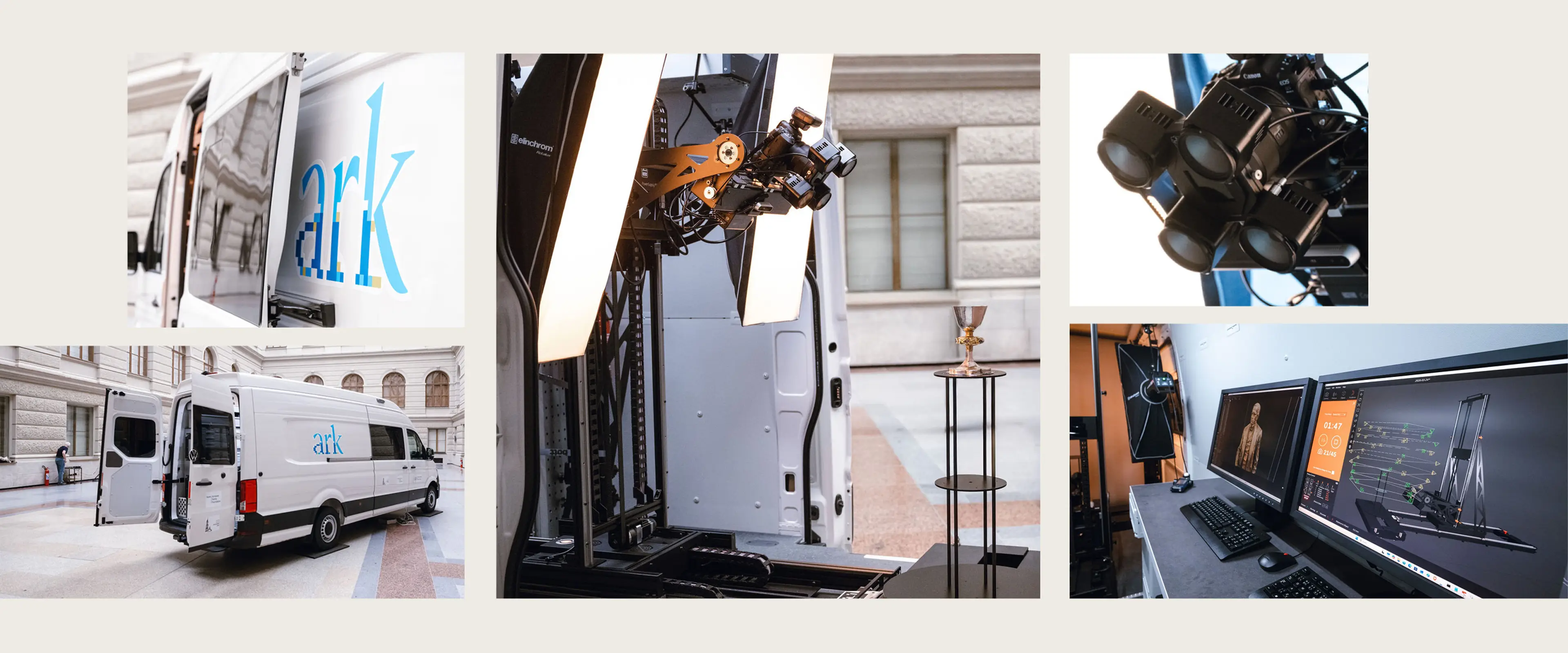
Ark III Becomes the First Czech Project to Be Included in the Prestigious TIME’s Best Inventions of 2026